Multi Zone Mini Split Systems: How to Plan One That Works
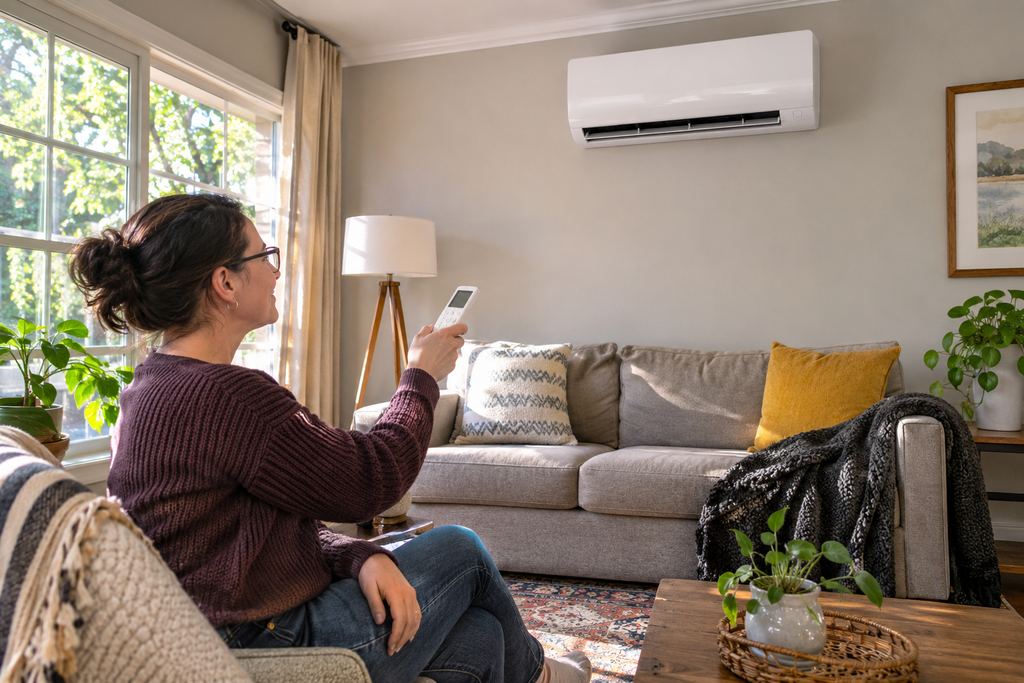
A multi zone mini split connects two or more indoor heads to a single outdoor unit. Each room gets its own head and its own control, while the house needs only one condenser outside.
Yes, a mini split can serve several zones. Most multi-zone outdoor units handle two to five heads, with the limit set by each model. The design works well when the rooms have similar needs and you want fewer units outside. It is a weaker choice when one room runs hot all day while the others sit idle, because the shared outdoor unit then works inefficiently.
How the zones share one outdoor unit
The outdoor unit holds one variable-speed compressor and a branch arrangement that sends refrigerant to each head through its own line set. When only one bedroom calls for cooling, the compressor slows to match that small load; when every room calls, it runs harder. Each head has its own remote or wall control, so you can set the office cooler than the guest room or switch a zone off entirely.
There is one rule owners often discover the hard way: on a standard multi-zone system, every head runs in the same mode. If one head is heating, none can cool. Simultaneous heating and cooling in different rooms is a feature of heat-recovery VRF systems, covered in our VRF guide, not of typical residential multi-zone equipment.
Common configurations
Names vary by brand. Check the outdoor unit's published list of allowed head combinations.
| Setup | Heads | Typical use |
|---|---|---|
| Dual zone | 2 | Two bedrooms, or a living area and the main bedroom |
| Tri zone | 3 | Upstairs bedrooms in an older house |
| Quad zone | 4 | Most of a small home |
| Five zone | 5 | Larger homes; at or near the limit for many models |
Mixing head styles
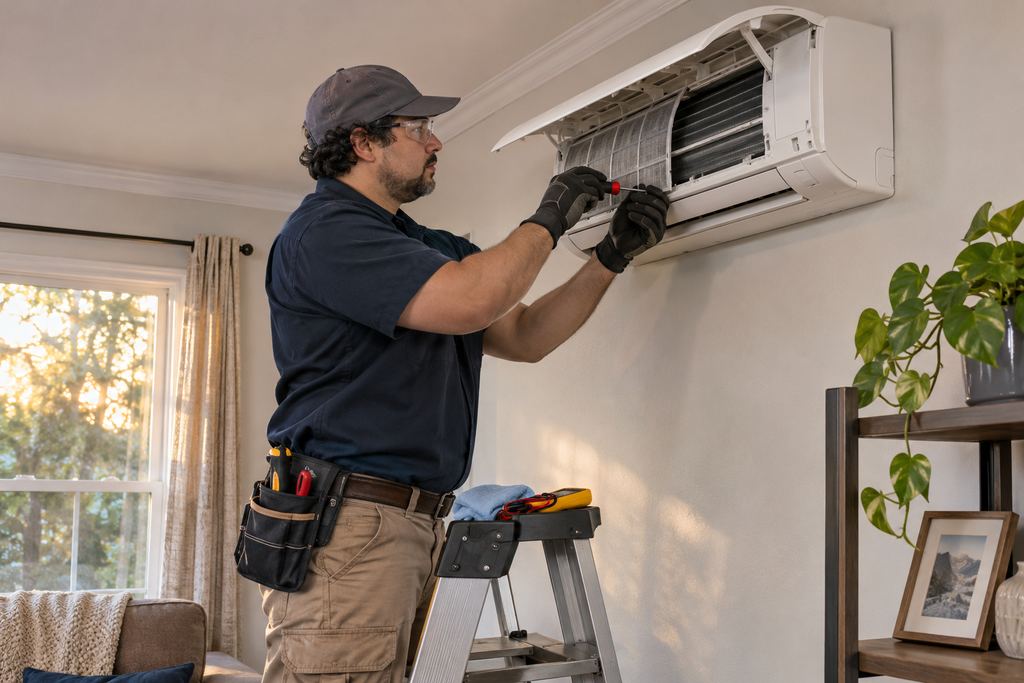
Many outdoor units accept different indoor types on the same system, within the manufacturer's combination tables.
Sizing the outdoor unit and each head
Size each head for its room first, based on a room-by-room load estimate. Then choose an outdoor unit whose combination table allows that set of heads. Manufacturers commonly allow the connected indoor capacity to exceed the outdoor unit's nominal rating, within published limits, because rooms rarely all need full output at the same time. Pushing toward the top of that allowance is fine for bedrooms used at night; it is risky for rooms that all heat up together in the afternoon.
The more common mistake is the opposite one: a 12,000 Btu head in a 120 square foot bedroom because it was the smallest size the installer stocked. The head cycles, the room stays damp and the whole system runs less efficiently. Ask whether smaller heads are available for small rooms.
Efficiency ratings for combinations
SEER2 and HSPF2 ratings for multi-zone equipment apply to specific listed combinations of outdoor unit and heads. Two systems built on the same outdoor unit can carry different ratings depending on the heads attached. Ask the installer for the AHRI certificate that matches your design, and check the ENERGY STAR rebate finder for current utility programs, since many require a specific listed combination.
Multi-zone or several single-zone systems?
| Question | One multi-zone system | Separate single-zone systems |
|---|---|---|
| Outdoor units | One | One per room |
| If the outdoor unit fails | Every zone loses cooling | Only that room is affected |
| Mixed modes | All heads in one mode | Each system independent |
| Light loads | One small zone on a big compressor can run less efficiently | Each compressor sized for its room |
| Upfront cost | Often lower for three or more rooms | Often lower for one or two rooms |
When single-zone is the better answer
Two rooms on opposite sides of the house, a room with very different hours, or a space that needs cooling while the rest of the home is heating all point toward separate systems. The single-zone mini split guide covers that route, and the broader ductless mini split guide compares both with window and ducted options.
When one zone misbehaves
Safe checks you can do
No tools beyond a flashlight. Turn the system off at the thermostat before opening any filter or access door.
- Confirm the zone's remote has fresh batteries and is set to the same mode as the others
- Rinse the head's filter as the manual describes
- Check that the outdoor unit is clear of leaves, snow and stored items
- Look for frost on the indoor coil; if you see it, switch that head to fan only and call for service
Leave these to a licensed technician
These involve high voltage, refrigerant or sealed components. Refrigerant work requires EPA Section 608 certification.
- Error codes that return after a reset
- One zone blowing warm while others cool, which can point to a valve, sensor or line problem
- Ice on lines or the outdoor unit; see mini split freezing up
- Any refrigerant leak or recharge
Frequently asked questions
How much does a multi zone mini split cost?
The total depends on the number and style of heads, line set routing and electrical work, so a four-head job can cost several times a single head. Compare itemized quotes; the mini-split installation cost section lists each factor.
Does the $5,000 rule apply to a multi-zone upgrade?
It can be a rough first check. Multiply the old system's age by the repair quote; a result above 5,000 suggests pricing a replacement as well. It is an informal rule of thumb and does not account for efficiency or comfort. Use it only as an informal screen; it is not a DOE rule or an industry standard; check the warranty, get a written diagnosis and compare the net repair quote with a real replacement quote; on a ductless system, run it for the zone or indoor unit that failed, not the whole house.
Which multi zone mini split should I buy?
There is no single winner. Compare how many heads and which styles each outdoor unit supports, the rated efficiency for your exact combination, cold-weather heating output if you will heat with it and how well local contractors support the brand.
Why is one zone not cooling while others are fine?
Causes include a mode conflict, a dirty filter, a sensor fault or a refrigerant issue on that branch. Start with the checks on the mini split not cooling page.
Can I add a head to my system later?
Only if the outdoor unit has an open port and the new combination falls inside its published limits. Plan for growth at the design stage if you expect to add a room.
Related guides and services
Plan a multi-room mini split
List the rooms and their rough sizes. A local contractor can confirm the layout on site and quote the combination that fits.
List the rooms and their rough sizes. A contractor will confirm the layout on site.
Please keep this page open.
- We pair the request with an independent contractor or partner network that works in your ZIP code.
- The contractor gets in touch to go over the details and agree on a visit.
- After checking the system they quote the job, and you choose whether to proceed.
Read how requests are handled.
Online requests are not connected to a contractor network yet. Nothing you typed was sent or saved. Please phone us instead, or try again later.
Call (888) 555-0199