Seattle Mini Split Installation for Ductless Homes
Mini split installation is one of the most common ways Seattle homeowners add cooling and retire baseboard or oil heat in the same project. HVAC Service Near Me passes your project to independent installers who work in the city, so you can compare layouts and written bids.
- Single-zone and multi-zone layouts for Seattle houses and condos
- Electrical permits through SDCI
- Incentive and brand questions answered plainly
House, townhouse or condo; current heat (baseboard, oil, gas, none); and how many rooms or floors you want covered.
Please keep this page open.
- We pair the request with an independent contractor or partner network that works in your ZIP code.
- The contractor gets in touch to go over the details and agree on a visit.
- After checking the system they quote the job, and you choose whether to proceed.
Read how requests are handled.
Online requests are not connected to a contractor network yet. Nothing you typed was sent or saved. Please phone us instead, or try again later.
Call (888) 555-0199Why ductless suits so many Seattle homes
Walk any older Seattle neighborhood and you will pass hundreds of homes heated by electric baseboards, wall heaters or an oil furnace, many with no ducts at all. Building ductwork into plaster walls is expensive and messy, so a ductless heat pump is the practical route: a small line set through the wall, an outdoor unit on a bracket or pad, and heads in the rooms that matter. Seattle winters are mild, with few hours well below freezing, which lets a heat pump carry most of the heating. Summers now bring heat waves that make cooling worth having.
How a Seattle installation unfolds
- Walkthrough
The installer looks at each room, the exterior walls, the electrical panel and possible outdoor unit spots.
- Design and bid
Head count and positions, model numbers, line set routing, electrical scope and permit, in writing.
- Permit
Inside city limits the electrical permit comes from SDCI.
- Install and startup
Heads mounted, lines run, the system evacuated and charged by a Section 608 certified tech, then tested in heating and cooling.
System types to choose from
Housing types change the plan
A craftsman with a finished attic often needs a head or ducted unit upstairs, where heat collects under the roof. A 1950s rambler on a crawlspace usually allows easy line routing below the floor. Townhouses have little exterior space, so outdoor unit placement can drive the design. Condo buildings may restrict where outdoor units and line covers go, so check the association rules before you sign. Mention the home type in your request so the installer arrives prepared.
Placement, sound and Seattle rain
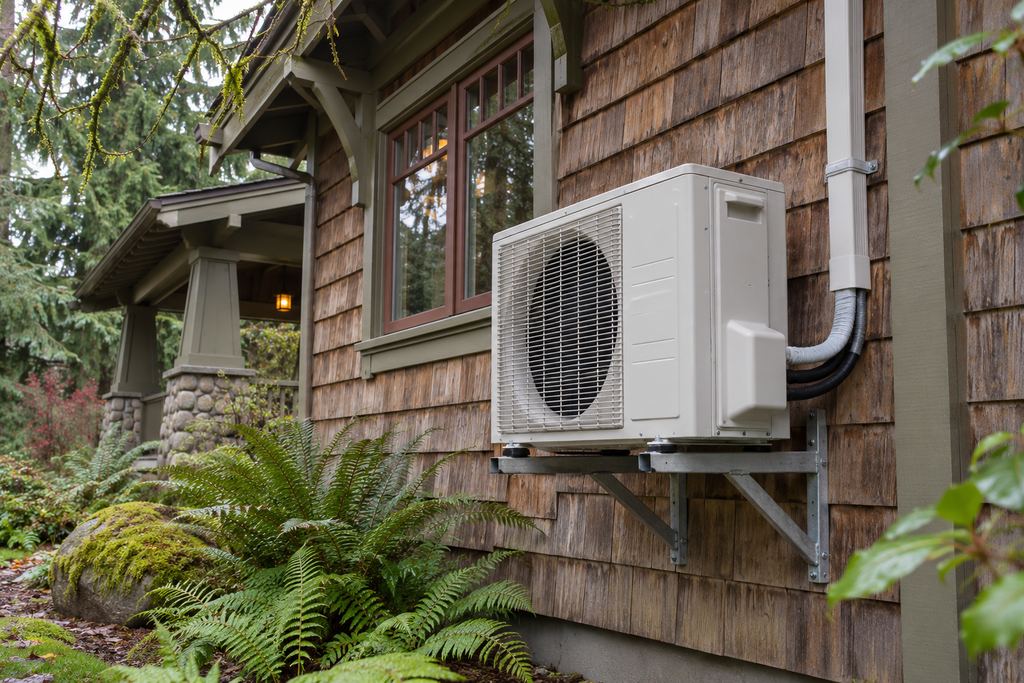
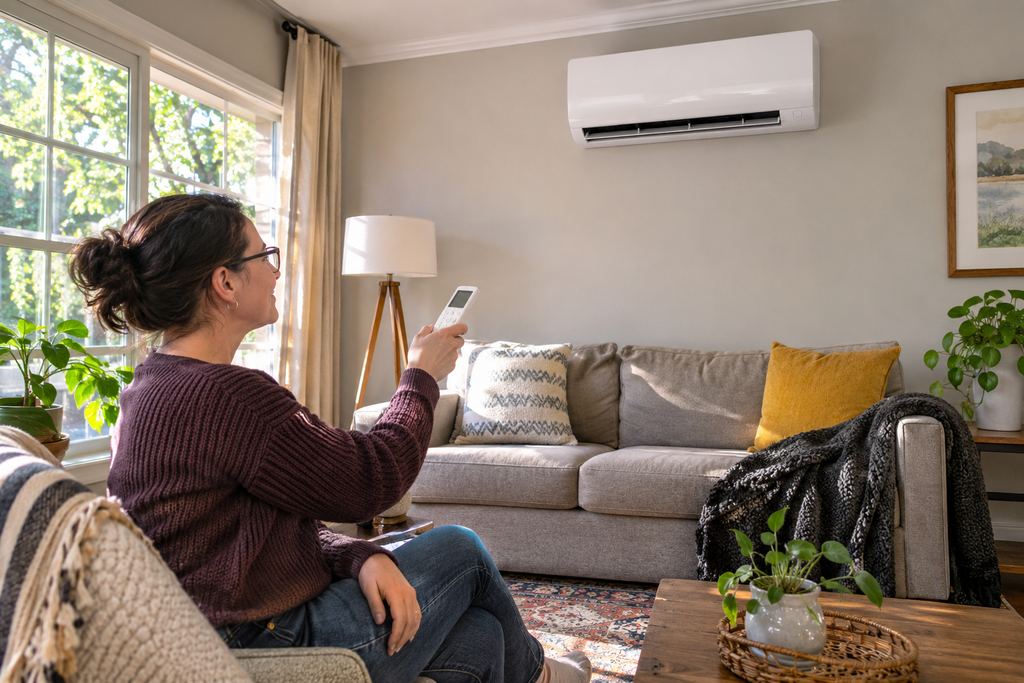
Seattle lots are often narrow, and the outdoor unit may end up a few feet from a neighbor's bedroom window. Ask each installer for the outdoor unit's published sound rating and where they would mount it. A wall bracket or raised stand keeps the coil above puddles and lets defrost water drain away instead of freezing at the base in a cold snap. Indoor heads perform well high on a wall with a clear throw across the room, away from a spot where the airflow blows straight onto a bed or sofa. If a head must sit on an interior wall, the condensate line needs a route to the outside or a small pump.
What moves the price
HVAC Service Near Me does not set prices. The mini-split installation cost section has national ranges for reference.
Each head adds equipment, line set and labor.
Panel capacity and a new dedicated circuit.
Long runs and hidden routing cost more than a short run through one wall.
Seattle City Light and the City of Seattle have offered heat pump incentives; confirm current terms before you count on one.
Questions for installers
- Are you registered with L&I?
Look the company up at lni.wa.gov. - How is the warranty handled?
Many ductless manufacturers require professional installation for full warranty coverage. Ask who registers it. - Where will condensate go?
Heads on interior walls may need a small pump. - Which brands do you service?
Local service and parts support matter for years after the install.
How a service request works
HVAC Service Near Me is a referral service. We don't send our own technicians. We connect you with independent local contractors.
- Describe the job
Type your ZIP code, pick a service and add a line or two about the problem or project.
- We pass it on
An independent HVAC contractor or partner network that works in your area and does that kind of job receives it.
- You hear back
The contractor gets in touch to check the details and set a time to come out.
- The choice is yours
After a diagnosis the contractor gives you a quote. Price, timing and warranty are agreed directly between the two of you.
Frequently asked questions
How much should a mini split installation cost?
It depends on how many heads, the electrical work and the length of the line runs. Compare itemized bids that list the same equipment.
Which mini splits should I avoid?
Be wary of units no local company will service or that lack parts support in the region. Ask each installer which brands they back with service.
What do big-box stores charge to install one?
Retailer programs set their own prices and use their own installers. Compare their written scope, permit handling and warranty terms with a local bid.
Is Daikin as good as Mitsubishi?
Both are major ductless manufacturers, and HVAC Service Near Me is not affiliated with either. Installer skill and local parts support matter as much as the badge on the head.
Who handles repairs later?
Any HVAC company that services your brand. See Seattle mini-split repair, or Seattle AC repair for ducted systems.
Related guides and services
Get Seattle mini split bids
Tell us the home type, how it is heated now and which rooms you want covered. Installers serving Seattle can follow up.
House, townhouse or condo; current heat (baseboard, oil, gas, none); and how many rooms or floors you want covered.
Please keep this page open.
- We pair the request with an independent contractor or partner network that works in your ZIP code.
- The contractor gets in touch to go over the details and agree on a visit.
- After checking the system they quote the job, and you choose whether to proceed.
Read how requests are handled.
Online requests are not connected to a contractor network yet. Nothing you typed was sent or saved. Please phone us instead, or try again later.
Call (888) 555-0199