AC Maintenance for Orlando Homes
Orlando air conditioners run close to every day from May through September and often into October, so a yearly check in early spring is the practical rhythm. Request a maintenance visit through HVAC Service Near Me and an independent local contractor can follow up to schedule it.
- Book in February to April, before the long cooling season
- Drain line, coils and electrical parts get the most attention here
- Expect notes on each reading and finding
System type, rough age, and any symptoms you have noticed.
Please keep this page open.
- We pair the request with an independent contractor or partner network that works in your ZIP code.
- The contractor gets in touch to go over the details and agree on a visit.
- After checking the system they quote the job, and you choose whether to proceed.
Read how requests are handled.
Online requests are not connected to a contractor network yet. Nothing you typed was sent or saved. Please phone us instead, or try again later.
Call (888) 555-0199What Central Florida weather does to an AC
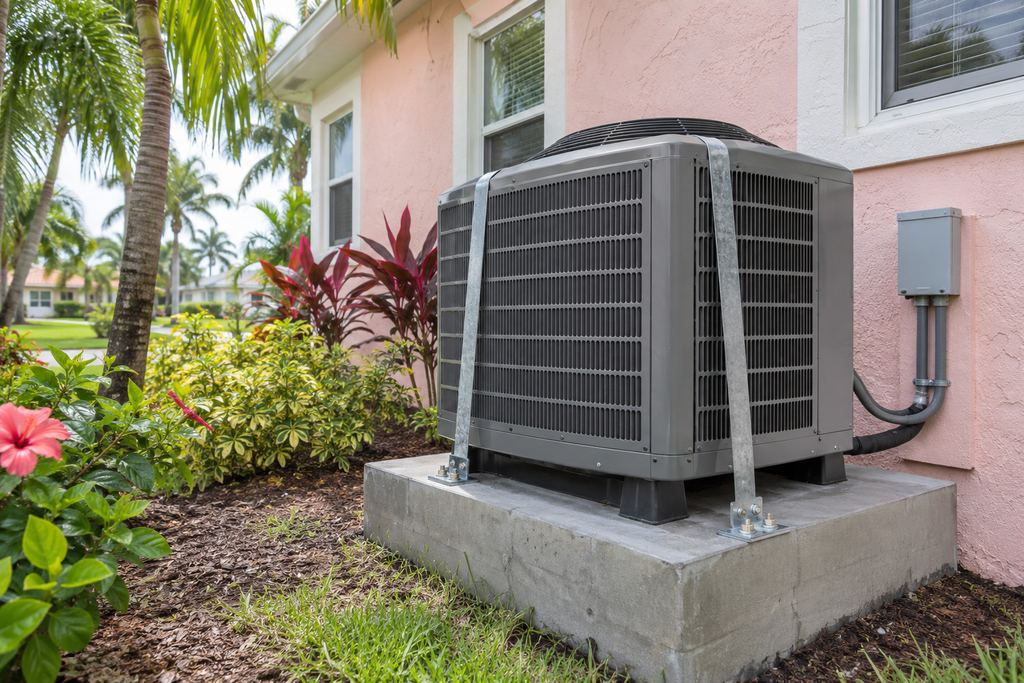
Months of humid weather mean the indoor coil produces water almost constantly. That water carries dust and feeds algae, which is why clogged condensate lines and wet secondary pans are among the most common summer calls in Orlando. Meanwhile, the outdoor unit collects pollen, grass clippings and oak debris, and the electrical parts go through thousands of starts. A spring tune-up targets exactly those weak points.
ENERGY STAR suggests having cooling equipment checked each spring, ahead of the heavy season. In Orlando that means booking between February and April, when contractors have more open slots than in July.
What a technician should check
- Thermostat: Settings, calibration and wiring.
- Electrical connections: Tightening terminals and measuring voltage and current on motors.
- Capacitor and contactor: Testing for weak or pitted parts before they fail in August.
- Refrigerant circuit: Checking operating pressures and temperatures. Any recharge or leak repair needs an EPA Section 608 certified technician and is usually billed separately.
- Coils: Inspecting the indoor and outdoor coils and cleaning where needed.
- Condensate drain: Flushing the line, checking the trap, pan and float switch.
- Blower: Inspecting the wheel and motor and checking airflow.
- Filter: Checking size and condition and advising on a change schedule.
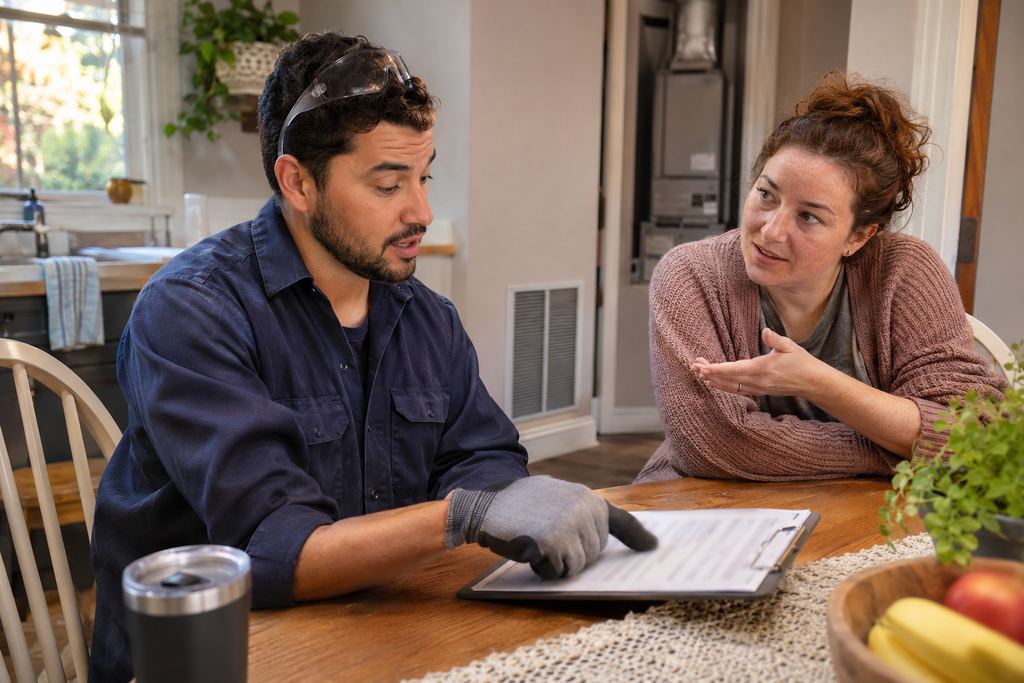
Owner tasks and technician tasks
Safe checks you can do
No tools beyond a flashlight. Turn the system off at the thermostat before opening any filter or access door.
- Change or clean the filter as often as the manual says; during heavy summer use, check it more often than the package suggests.
- Keep two feet of clear space around the outdoor unit and rinse loose debris off the fins from outside with a garden hose, power off.
- Flush the condensate line only the way the owner's manual describes, if it describes it.
- Watch the secondary drain pan in the garage or attic for standing water.
- Keep supply and return vents open and unblocked.
Leave these to a licensed technician
These involve high voltage, refrigerant or sealed components. Refrigerant work requires EPA Section 608 certification.
- Electrical testing and any work behind service panels.
- Refrigerant checks and charging.
- Deep coil cleaning with chemicals.
- Blower wheel removal and cleaning.
- Repairs found during the visit.
Signs to book a visit before the scheduled one
- The house feels humid even at the usual setting: Could be an airflow, sizing or drain issue.
- Power bills rise without a change in use: Dirty coils and weak parts reduce efficiency.
- Water in the secondary pan or a wet ceiling spot: The main drain is likely blocked.
- Musty smell from vents: Moisture is staying in the system. The EPA links indoor moisture to mold growth.
- Short, frequent cycles: A thermostat, refrigerant or sizing problem.
What affects the price of a maintenance visit
Each contractor sets its own price. These are the common reasons two offers differ.
A basic check differs from a visit that includes coil cleaning and a drain flush.
Two-system homes often get a lower price per unit.
Some companies sell yearly plans with one or two visits. Read what the plan actually covers.
Attic air handlers take longer than garage units.
Cost and how long systems last
Our AC maintenance cost section covers typical national pricing and what extras add. As for lifespan, Central Florida systems often last about 10 to 15 years, shorter than in milder climates because of the hours they run. Regular maintenance does not stop aging, but it helps a system reach the upper end of that range. When a tune-up turns up a failing compressor or repeated leaks on an old R-22 unit, ask about replacing the system rather than putting more money in.
Choosing a maintenance contractor
Check the company's Florida license on the DBPR lookup at myfloridalicense.com, ask for the checklist in writing and ask that any recommended repair be quoted separately rather than done on the spot. A good visit ends with notes on what was measured. The national overview of AC maintenance visits lists the same tasks in more detail, and other Orlando services are on the Orlando hub. If something has already failed, a regular Orlando AC repair visit is the better request, and anything dangerous belongs under urgent repair.
How a service request works
HVAC Service Near Me is a referral service. We don't send our own technicians. We connect you with independent local contractors.
- Describe the job
Type your ZIP code, pick a service and add a line or two about the problem or project.
- We pass it on
An independent HVAC contractor or partner network that works in your area and does that kind of job receives it.
- You hear back
The contractor gets in touch to check the details and set a time to come out.
- The choice is yours
After a diagnosis the contractor gives you a quote. Price, timing and warranty are agreed directly between the two of you.
Other AC services in Orlando
- 24 Hour AC Repair in Orlando: What to Do When the Cooling Quits
- Air Conditioning Installation in Orlando, Florida
- Orlando AC Repair for Homes and Small Businesses
- Replacing an Air Conditioner in Orlando
AC Maintenance in other Florida cities
Frequently asked questions
How often should an AC be serviced in Orlando?
At least once a year, ideally in spring. Some owners with heavy use or older systems add a second check in late summer.
How long should my AC last in Florida?
Often about 10 to 15 years in Central Florida. Salt exposure, maintenance, installation quality and how hard the system runs all affect it.
How much does AC maintenance cost?
It varies with what the visit includes and the number of systems. Compare written descriptions of the work, not just the headline price.
Why wait a few minutes before restarting an AC?
Wait three to five minutes after shutting the AC off before turning it on again, so the compressor does not start against high pressure. Many thermostats enforce this delay automatically.
Can I clean the outdoor unit myself?
You can clear debris and gently rinse the fins with a hose after switching the power off at the disconnect or breaker. Leave chemical cleaning and anything inside the cabinet to a technician.
Related guides and services
Schedule an Orlando AC tune-up
Enter your ZIP code, the system type and its rough age. A local independent contractor follows up to set a time.
System type, rough age, and any symptoms you have noticed.
Please keep this page open.
- We pair the request with an independent contractor or partner network that works in your ZIP code.
- The contractor gets in touch to go over the details and agree on a visit.
- After checking the system they quote the job, and you choose whether to proceed.
Read how requests are handled.
Online requests are not connected to a contractor network yet. Nothing you typed was sent or saved. Please phone us instead, or try again later.
Call (888) 555-0199